

18 Dec BART Board Elects New President, Vice President
Melissa Hernandez was the first Latina member of the BART board of directors and with her unanimous election Thursday by the board will become its first Latina president. (Melissa Hernandez via Bay City News)
By Andres Jimenez Larios
Bay City News
The BART Board of Directors on Thursday elected Melissa Hernandez to become the new president of the board and Edward Wright as the new vice president.
Both board members said they take their responsibilities for the 2026 term seriously and acknowledged that during their time in each position, they will face one of the agency’s largest challenges — the looming budget deficit that could potentially interrupt all aspects of service.
Hernandez, whose District 5 encompasses parts of eastern Alameda County, was the first Latina on the board of directors when she took the role in 2024 and will now become the first Latina to be the board’s president. She said the agency is facing a $400 million budget deficit if they do not find new sources of funding and said although BART has made progress in its branding to attract more riders, she believes there is still much room to grow.
“A viable and sustainable system obtaining new funding that supports both BART and our regional transit partners is one of the most important tasks we face,” said Hernandez. “I’m proud that we can say with confidence that BART is now safer, cleaner and more convenient than it was a year ago. But as important as these gains are, none of them matter if we cannot constantly provide reliable service.”
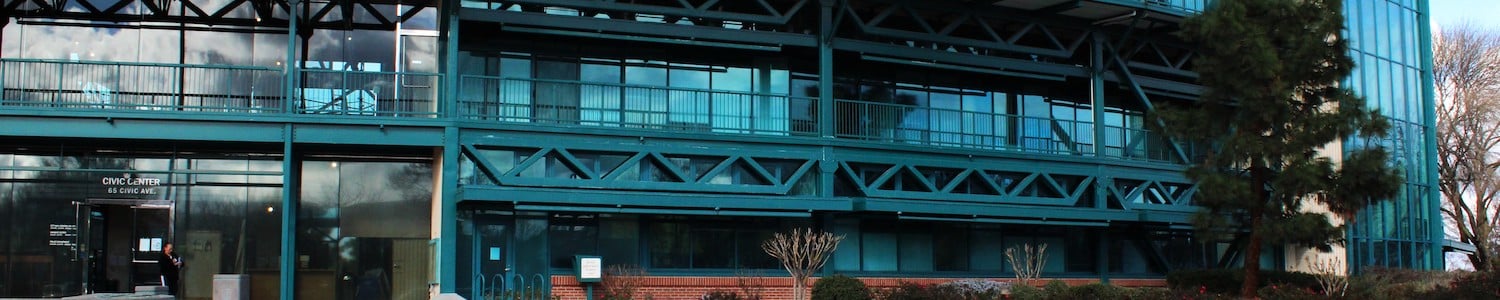
Recent service disruptions at BART that have severely delayed, or even halted, operations have become a major area of focus for the board. Within the last few months, problems have occurred where smoke filled up the Civic Center BART station, electrical issues prevented lines from operating, and other cases that have hindered one of the region’s largest public transit agencies.
“If real reliability truly is our brand, then we must get to the bottom of the major service disruptions of the last several months and tell our riders what specific actions we are taking to do everything we can to prevent them,” said Hernandez.
-

- Edward Wright. Wright was unanimously elected vice president by the BART Board of Directors in Oakland, on Thursday. (Edward Wright via Bay City News)
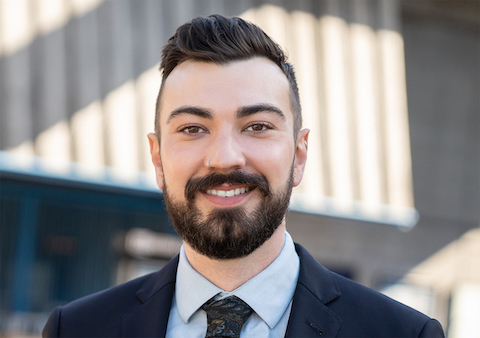
Wright, the new vice president who represents District 9 that includes the stations around San Francisco’s Market and Mission streets, reiterated the progress BART has made while also saying the future for the agency is far from simple.
“I’m really clear-eyed about the challenges that we face in the next year,” said Wright. “I don’t want to repeat everything that’s already been said, but I do believe that this is going to be the most consequential year for this system since the system was created.”
Looking ahead, BART will have to find new sources of funding to keep it running for the millions of people that rely on the train service. In the first quarter results of fiscal year 2026, BART reported 14.7 million people used the system — marking the agency’s highest ridership since the start of the COVID-19 pandemic.
Even with positive trends, 2026 will mark the end of federal financial assistance provided to public transit agencies that was initially provided to public transit systems who lost revenue due to the COVID-19 lockdown. BART officials hope to bridge the gap by providing revenue from a new sales tax being proposed in 2026, but the future remains uncertain.
Copyright © 2025 Bay City News, Inc. All rights reserved. Republication, rebroadcast or redistribution without the express written consent of Bay City News, Inc. is prohibited. Bay City News is a 24/7 news service covering the greater Bay Area.

No Comments