

18 Dec WCCUSD Details Financial Impact of Strike-Ending Agreements
(Screenshot captured by Samantha Kennedy / The CC Pulse)
By Samantha Kennedy
The West Contra Costa Unified School District said its tentative agreements with its teachers and classified staff will come with a price tag of more than $105 million over three years.
The deals call for an 8% raise for members of the United Teachers of Richmond and for those in Teamsters Local 856 over two years, with the first pay raise retroactive to this past July. Both will also receive 100% fully paid health benefits by the end of June 2027.
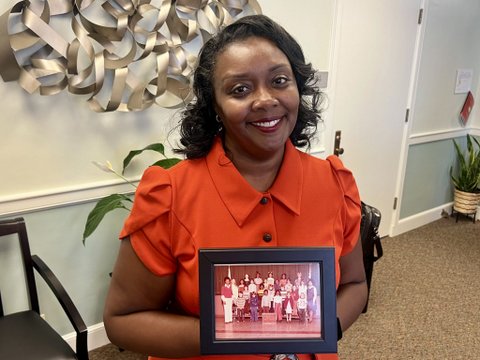
Superintendent Cheryl Cotton said at Wednesday’s school board meeting that UTR and Teamsters both ratified their deals. Now, the agreements will go on to the Contra Costa County Board of Education and the district school board for approval.
“Our commitment to these agreements requires thoughtful action by the board to adjust the budget accordingly. The integration of these changes into our long-term fiscal planning will begin promptly,” said Cotton.
The tentative deal comes as the district already faces a more than $33 million budget deficit over the next two school years, according to the district’s first interim report.
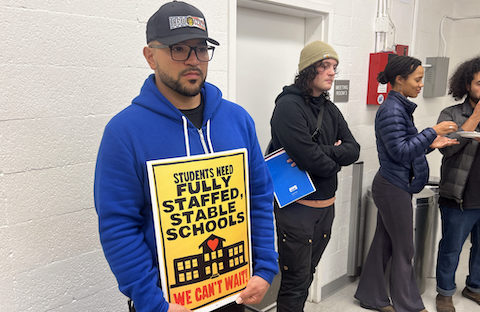
UTR launched a multi-day strike this month after months of negotiations, and years of asking for better pay and services for students. The teachers’ union opted to strike once it completed a state-mandated process, ending with a recommended agreement by a neutral mediator. Teamsters joined the strike for two days, before reaching a tentative agreement over the weekend that split the strike days.
Though the strike ended, teachers and community members still have voiced distrust in district leadership for how it handled the process. Cotton was not present at negotiations during the strike and two board members — then-board President Leslie Reckler and Jamela Smith Folds — were not on the picket lines, according to UTR. The union also approved two votes of “no confidence” in Kim Moses, the associate superintendent of business services, and Guthrie Fleischman, director of special education.
But Cotton reminded community members of something at the meeting: “We are connected, and we are one.”
“We’ve gone to the strike, we’ve gone through the strike, and now we need to heal on the other side,” said Cotton. “I need the community to know that I care deeply about each and every child, each and every staff member, every family, and I care how my words and my actions impact our community.”
Distrust in officials began before Cotton took over this summer. Moses, acting as then-interim superintendent following Kenneth “Chris” Hurst’s departure, defended WCCUSD’s finances earlier this year when UTR suggested the district “manufactured” the fiscal crisis. The district hosted several meetings this year to explain the budget to the community.
Like other districts in the state, WCCUSD’s budget constraints have come from declining enrollment, rising costs, and loss of one-time funding. Enrollment and attendance have both declined since the 2020-21 school year, with projected district numbers showing that trend is expected to continue over the next two school years.


No Comments