

06 Jan Political Playback: California Capitol News You Might Have Missed
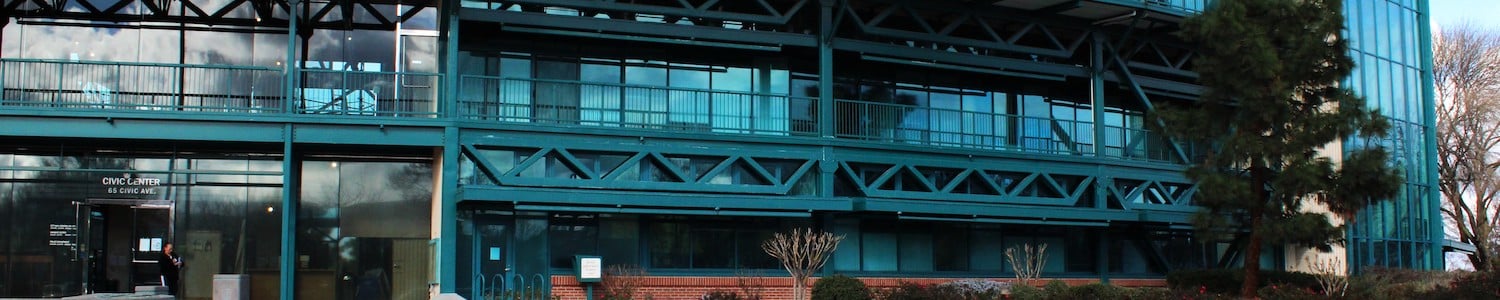
The California State Capitol. (Danielle Parenteau-Decker / The CC Pulse)
Bo Tefu | California Black Media
Gov. Newsom to Deliver State of the State Address on Jan. 8
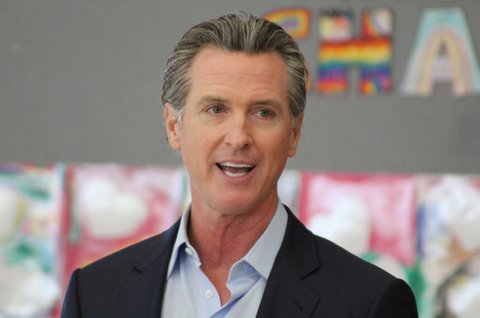
Gov. Gavin Newsom will deliver his State of the State address on Thursday at the California State Capitol before a joint session of the Legislature.
In the speech, Newsom is expected to reflect on California’s key achievements in 2025 and outline the state’s goals for 2026. Notable progress in health care, education, and climate action will likely be highlighted.
According to Newsom’s office, the state has made significant strides in expanding access to affordable health care, including lowering the price of insulin through CalRx and reducing prescription drug costs. California also secured $60 billion in utility rebates to help families reduce their energy bills.
Newsom is also expected to address the ongoing housing affordability crisis, which his administration has worked to combat by enacting a number of reforms and streamlining the housing approval process. Other topics Newsom will likely touch on include mental health services and ongoing efforts to fight climate change.
>>By The Pulse:
For Many in the Bay Area, Affordable Housing Is Not Affordable<<<
One of the governor’s key accomplishments last year, Newsom aides say, is California’s leadership in clean energy. The state continued to push toward its goal of reducing greenhouse gas emissions and expanding renewable energy sources. In 2025, California reached a milestone of two-thirds clean energy. Newsom is expected to discuss ongoing projects to further accelerate the state’s clean energy transition.
The governor’s speech will also focus on California’s resilience in the face of federal opposition, including policies that have threatened public health, housing, and environmental protections. Additionally, the address will highlight the state’s efforts to protect reproductive rights, support small businesses, and create new career pathways for Californians.
Livestreams of the address will be available on the governor’s social media platforms, including Twitter, Facebook, YouTube and Instagram. TV stations can also access the address through the LiveU Matrix under “California Governor.”
California’s CARE Court Expands to Include Psychotic, Bipolar Disorders
A new California state law, signed by Gov. Gavin Newsom in October, is set to expand California’s CARE Court program, which aims to better serve residents struggling with severe mental health issues.
Senate Bill 27, introduced by Sen. Tom Umberg, D-Santa Ana, took effect on Jan. 1, 2026. It broadens the California CARE Court program’s eligibility criteria to include people whose psychosis is caused by bipolar disorder, in addition to those with schizophrenia.
“With this legislation, more Californians will finally receive the assistance they need to fully reintegrate into society. SB 27 provides a balanced and compassionate path forward — far preferable to the extremes we’ve seen elsewhere — whether it’s sweeping executive orders on civil commitments or doing nothing at all and allowing people to die on our streets,” Umberg said when Newsom signed SB 27.
“The beauty of CARE Court is that it holds both institutions and individuals accountable, ensures individuals get the care they need and gives judges a clear role in overseeing and guiding the process,” he continued.
Launched in 2023, CARE Court was designed to provide a new pathway for courts to coordinate mental health treatment, medications, and housing for individuals experiencing severe psychosis, including those living on the streets. However, the program has faced challenges. It has fallen short of its initial goals, helping far fewer people than expected, and has struggled to meet the needs of homeless participants.
>>From The Pulse Archives (2023):
Advocates Say CARE Court Could Hurt Those It’s Meant to Help<<<
With the new law, supporters hope that the expanded eligibility will allow more Californians to benefit from CARE Court services. However, lawmakers and county officials, including those in San Diego, remain cautious, with some estimating that the program’s expansion could only increase its reach by as much as 48%.
The law also streamlines the process for entering CARE Court by merging two early court hearings into one, reducing court time for participants and saving administrative resources. Additionally, individuals charged with crimes who are deemed incompetent to stand trial will now be able to be directly referred into the program by the criminal justice system.
Despite the expansion, the program’s current numbers show a gap between initial expectations and reality. As of October 2025, only 684 treatment agreements had been approved out of more than 3,000 petitions filed. Newsom’s administration had initially projected that between 7,000 and 12,000 individuals would qualify for CARE Court, but the program has faced setbacks in meeting those targets.
Your Vote Could Help Decide New A.I. Rules for California
California voters could soon decide on new rules governing artificial intelligence products, particularly those used by children. A new initiative called the Child Safety Requirements for Artificial Intelligence aims to regulate A.I. tools like chatbots and prohibit student use of personal smartphones in schools to protect kids from potentially harmful technologies.
The measure, led by Common Sense Media CEO Jim Steyer, seeks to set up a risk framework for A.I. products and restrict those deemed unsafe for children.
Steyer emphasized the initiative’s importance, saying, “This initiative will put in place the strong guardrails California needs to protect kids and teens from unsafe A.I. companions.”
>>Pulse Teen Talk:
ChatGPT Is Designed to Make Us Think We’re Right. Here’s Why That’s So Wrong<<<
If supporters can gather the required 546,651 valid signatures by June 2026, the proposal could appear on the 2026 ballot. A report by the Legislative Analyst’s Office estimates that enforcing the regulations could cost the state tens of millions of dollars annually, though some costs may be offset by fees from the industry.
However, the initiative faces opposition from tech giants like OpenAI, which has launched a countermeasure. The company argues that restricting A.I. could hinder technological growth and job creation in California.
“Opponents of AI,. have sought to block its implementation and impede the technological innovation, job creation, and economic growth that will result from California’s leadership in developing and regulating artificial intelligence,” stated a spokesperson for OpenAI.
The ongoing debate over A.I. regulations follows a recent effort by State Sen. Steve Padilla, D-San Diego, whose bill on A.I. safety was signed into law by Gov. Gavin Newsom in October.
Padilla has criticized the counterproposal, accusing it of undermining existing protections.
“This initiative makes it exceptionally difficult to modify or strengthen that law,” he said.
New Survey: The Economy Is Top Issue for California Voters
A Public Policy Institute of California survey released last week shows that California voters are increasingly focused on economic concerns as the state’s primary issue heading into the 2026 election season. With inflation, rising housing costs, and national economic uncertainty weighing heavily on residents, the survey highlights that the economy is on the minds of Californians more than any other issue.
According to the survey, 73% of likely voters in California expect “bad times financially” in the next year, signaling deep economic pessimism across party lines.
“About three in four California adults (75%) and likely voters (73%) say the country will have bad times financially during the next 12 months,” the report notes, reflecting widespread concerns about an uncertain economic future.
Housing affordability remains a major strain for many residents, particularly in regions like Los Angeles and the Inland Empire.
Two-thirds of Californians (65%) report that housing costs are a significant problem, with renters bearing the brunt. “Nearly all Californians see this as a problem, with two in three saying it is a big problem (65%) and three in ten saying it is somewhat of a problem (31%),” the survey finds, underscoring the pressure on residents already struggling with high living costs.
In addition to economic issues, the survey sheds light on growing dissatisfaction with the nation’s political climate. President Donald Trump’s approval rating is low, with only 25% of adults and 29% of likely voters approving of his performance. In contrast, 72% of voters express disapproval of the U.S. Immigration and Customs Enforcement, and the majority oppose National Guard deployments for law enforcement in California cities.
>>>By The Pulse:
Vigils, Raids and a Deadly Fall: ICE Crackdown Rocks California<<<
The survey also reveals that voters are already paying close attention to the 2026 gubernatorial election, with Democratic candidate Katie Porter currently leading. However, significant voter dissatisfaction with the current pool of candidates hints at a potential shift in California’s political landscape as the state prepares for an election that could alter the course of its economic policies.

No Comments