Before the social media and streaming era reshaped how music travels, platforms like MTV, radio and magazines were the primary vehicles for music promotion and discovery. Music journalists, radio DJs and MTV’s video jockeys played an outsized role in shaping taste, curating the sounds that defined popular culture for generations of listeners.
Today, that human curation has largely given way to algorithms.
Listeners now are likely to get their music recommendations from Spotify’s personalized playlists and A.I.-powered DJ, or their perfectly curated TikTok For You Page. The centrality of music streaming platforms and social media apps today means that, rather than music being curated exclusively by real people, algorithms are strongly influencing what gets released and heard.
“Usually, I will post a chorus online. … If I like the response, I’ll finish it, and I’ll drop it,” said Grammy-nominated artist Sombr in an interview with the podcast Switched on Pop. The 20-year-old best new artist nominee’s unique approach to music production and promotion exemplifies a major shift in the music industry where social media apps and algorithms are playing an increasingly important role. Today’s emerging artists can leverage their social media presence to promote their music and shape the creative process itself.
While Sombr’s hit-making approach is particularly noteworthy, it is indicative of a greater industry trend: Leaning into social media has become the norm in today’s music scene.
Swedish singer-songwriter Zara Larsson rode the wave of the unpredictable TikTok algorithm, contributing to the revival of her 2015 track “Lush Life,” which reentered music charts in multiple countries a decade after its release. Some of the credit for her reemergence in the mainstream music scene can be attributed to the TikTok algorithm’s ability to amplify viral moments to create larger trends.
Larsson’s reemergence puts her among the likes of Sabrina Carpenter and Chappell Roan, who experienced similar algorithm-boosted pushes in 2024, causing their music to be discovered by millions of new fans. Each of their respective rises to pop-stardom were not orchestrated attempts to go viral but the result of a series of events that thrust them into the mainstream consciousness.
Larsson’s 2025 album, “Midnight Sun,” is nominated for best dance pop recording at the 68th annual Grammy Awards. Though we can point to dance trends, viral concert videos, and even a dolphin meme that circulated in 2024 as reasons for her recent resurgence, her success is a product of continuing to work to refine her craft and find her audience, which coincided with social media trends at the right time for listeners of today to rediscover her music.
Even seasoned artists have taken to social media and leaned into online culture and trends; think five-time Grammy-winner Mariah Carey “defrosting” every winter to sing “It’s Time!” to kick off the holiday season.
While algorithms can amplify artists’ reach, they also limit the music that we listen to. With more and more artists finding success at the intersection of social media, internet culture and music, virality has also become an expectation for many in the industry. In 2022, 31-year-old American singer-songwriter Halsey posted in a now-deleted TikTok video that their record company said they could not release new music “unless they can fake a viral moment on TikTok.” The prevalence of social media marketing has forced even some established artists to attempt to appeal to the algorithm and strive for an “imaginary goalpost of views or virality” before they can share their art with the world.
In a 2025 interview with Zane Lowe, Halsey opened up about not being permitted to release a new album due to their fifth studio album, “The Great Impersonator,” not performing to their label’s standards. Pressure for immediate hits means that songs are shelved, artists lose significant creative freedom, and music discovery is limited further by industry gatekeepers who want music to suit an algorithm.
When creativity is suppressed, we risk losing out on tracks that never get a chance to have their moment, let alone a renewed moment sometime in the future. The “slow rise” that Carpenter spoke about in her 2023 speech at Variety’s Hitmakers event may not be attainable for future emerging artists with the constraints presented by the unattainable demand of virality. Record executives’ unrealistic expectations mean that the existing limited opportunities for newer artists’ music to be discovered and heard by the masses will likely diminish.
In an effort to go viral, many musicians have accompanied their album rollouts with short song snippets and choreographed dance routines. Smaller artists attempt to work the algorithm by comparing their music to the work of well-established artists, hoping to find their target audience. Typical formats include something along the lines of “If this landed on your FYP, you must like [insert genre] music that sounds like [insert well-known artist]” or “Wish you could have been a fan of [insert well-known artist] before they blew up? This is your sign to be an early fan of [insert small artist].” My concern is that it may be impossible to be the first you if you carve your path attempting to be the second version of someone else.
Music consumption trends, patterns and mediums are most certainly not the same as they were even a decade ago. The songs that comprise the soundtrack of the modern generation are not just today’s chart-topping hits but older songs that have found renewed popularity and appealed to new audiences. Radio and video media are no longer the primary modes of music discovery; music streaming services can provide music recommendations based on our tastes, and social media algorithms can further the curation and gatekeeping of music.
If algorithms are the future of popular music, we must consider what may be lost. Just think of the kind of art we may never discover — or may not be created in the first place — if we stick exclusively to our For You Pages and personalized sets from A.I. DJs.
Related Posts:
I Miss My MTV: Internet Killed the Video Star "I have a special insight into the workings and deterioration of MTV because I was a cast member on an MTV reality show in the early 2000s."
Is TikTok Out of Time? Teens Have Their Say With talk swirling about banning TikTok, we asked local teens what they like about it, how they use it, and what they would do if it were prohibited.
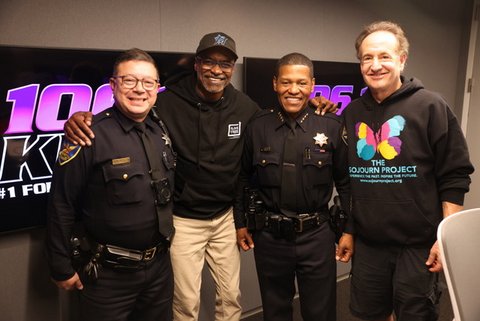
Learning from the Past: SFPD Officers Gain New… Through the Sojourn Project, SFPD officers meet people connected to the civil rights movement to learn how that history relates to policing today.
We use cookies on our website to give you the most relevant experience by remembering your preferences and repeat visits. By clicking “Accept”, you consent to the use of ALL the cookies.
This website uses cookies to improve your experience while you navigate through the website. Out of these, the cookies that are categorized as necessary are stored on your browser as they are essential for the working of basic functionalities of the website. We also use third-party cookies that help us analyze and understand how you use this website. These cookies will be stored in your browser only with your consent. You also have the option to opt-out of these cookies. But opting out of some of these cookies may affect your browsing experience.
Necessary cookies are absolutely essential for the website to function properly. These cookies ensure basic functionalities and security features of the website, anonymously.
Cookie
Duration
Description
cookielawinfo-checbox-analytics
11 months
This cookie is set by GDPR Cookie Consent plugin. The cookie is used to store the user consent for the cookies in the category "Analytics".
cookielawinfo-checbox-functional
11 months
The cookie is set by GDPR cookie consent to record the user consent for the cookies in the category "Functional".
cookielawinfo-checbox-others
11 months
This cookie is set by GDPR Cookie Consent plugin. The cookie is used to store the user consent for the cookies in the category "Other.
cookielawinfo-checkbox-necessary
11 months
This cookie is set by GDPR Cookie Consent plugin. The cookies is used to store the user consent for the cookies in the category "Necessary".
cookielawinfo-checkbox-performance
11 months
This cookie is set by GDPR Cookie Consent plugin. The cookie is used to store the user consent for the cookies in the category "Performance".
viewed_cookie_policy
11 months
The cookie is set by the GDPR Cookie Consent plugin and is used to store whether or not user has consented to the use of cookies. It does not store any personal data.
Functional cookies help to perform certain functionalities like sharing the content of the website on social media platforms, collect feedbacks, and other third-party features.
Performance cookies are used to understand and analyze the key performance indexes of the website which helps in delivering a better user experience for the visitors.
Analytical cookies are used to understand how visitors interact with the website. These cookies help provide information on metrics the number of visitors, bounce rate, traffic source, etc.
Advertisement cookies are used to provide visitors with relevant ads and marketing campaigns. These cookies track visitors across websites and collect information to provide customized ads.





No Comments